


NEWS
新着情報
2025.10.20
コラム
Fukuoka Strawberry Picking 2026: The Complete Guide — From Choosing a Farm to Enjoying the Experience
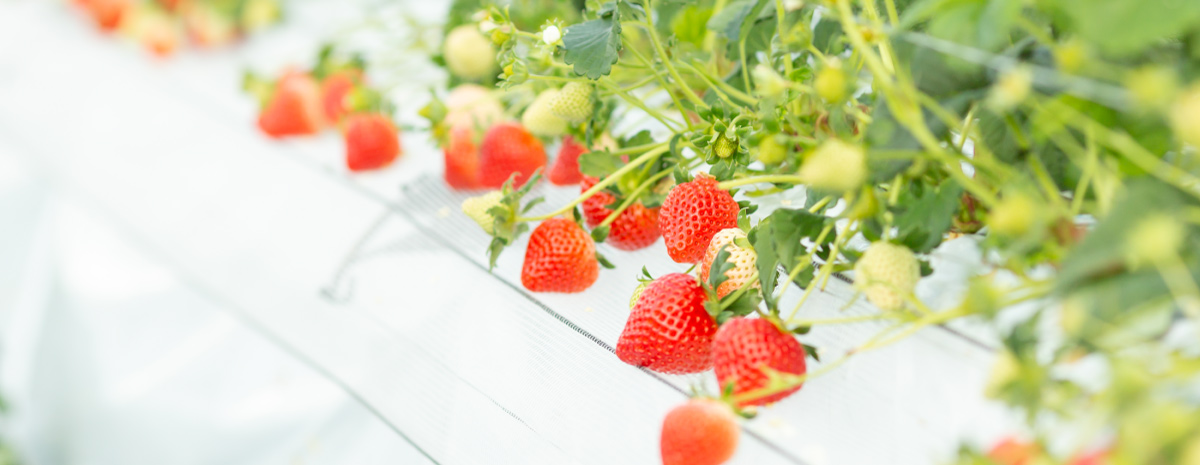
Fukuoka Prefecture is known as one of Japan’s leading strawberry-producing regions. In particular, “Amaou” is Fukuoka’s signature brand strawberry and enjoys nationwide popularity. The prefecture is home to many strawberry farms, and from winter through spring, countless visitors come to enjoy strawberry picking.
The biggest appeal of strawberry picking in Fukuoka is getting to savor freshly picked, fully ripe berries. Supermarket strawberries are often harvested a bit early for distribution, but at the farms you can eat strawberries that have ripened on the plant right there on the spot. The sweetness and aroma are on another level—you can truly enjoy “strawberries as they’re meant to be.”
This article explains everything you need to know to enjoy strawberry picking in Fukuoka—from basic tips and how to choose a facility to reservation strategies.
Strawberry Picking Season in Fukuoka
Operating Period and Seasonal Traits
Strawberry farms in Fukuoka generally operate from late December to early June—about five and a half months—though prices and berry size vary by time of season.
From December to January (early season), strawberries are at their largest and sweetest. The temperature differences boost sugar levels, so each berry has a robust sweetness. However, prices are typically highest during this period.
February to March is peak season, offering the best balance between quality and price. You’ll find a plentiful supply of consistently high-quality strawberries, reservations are relatively easier to secure, and the greenhouses are more comfortable as temperatures begin to rise.
April to June is the late season. Berries tend to be smaller, but prices become more affordable. The size is easy for small children to eat, and it’s a great time for those who want to enjoy lots of berries.
How to Choose a Strawberry Picking Facility
Points to Check
To make the most of your visit, choose a facility that fits your needs. First, check the varieties grown. While “Amaou” is famous in Fukuoka, some farms also grow multiple varieties such as “Benihoppe” and “Koi-minori,” allowing you to compare flavors.
Next, look at the cultivation method. Many farms now use elevated (high-bed) cultivation, which grows strawberries at about waist height. You can pick without crouching, reducing physical strain, and it’s accessible for wheelchair users. Because the fruit doesn’t touch the soil, it’s also more hygienic.
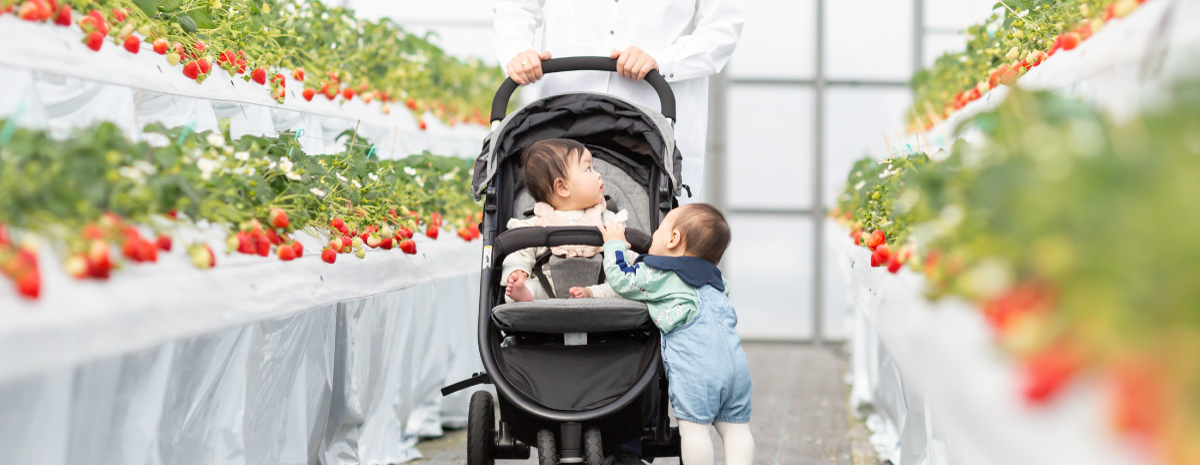
Accessibility (barrier-free) features are another key point. Increasingly, facilities are designed to be enjoyable for families with small children, seniors, and wheelchair users. Before visiting, check for steps inside the greenhouse, the availability of multipurpose restrooms, and the ease of access from the parking area to the greenhouse.
Depending on your group, you may also want to check whether pets are allowed, whether there’s an on-site café or farm stand, and whether there’s a kids’ area.
Reservation Systems and Pricing
Most strawberry farms require advance reservations. Demand is especially high on weekends, holidays, and during winter/spring school breaks, so booking early is essential. Many farms start accepting reservations in early November.
Prices typically fluctuate by season. As a general guide: December–February, around ¥2,000–¥2,800 for adults; March–May, around ¥2,000–¥2,500; June onward, around ¥1,500–¥1,900. Discounted rates often apply for elementary school children and younger; many facilities are free for children under three.
Recommended Strawberry Farms in Fukuoka
Fruitelier in Kurume City
Fruitelier in Kurume City is one of Fukuoka’s representative strawberry-picking farms. Operated by Nakamura Orchard, founded in 1910, it boasts a history of over 110 years.
A highlight at Fruitelier is the chance to compare multiple varieties—Benihoppe, Koi-minori, and two or three others. Each has different sweetness, acidity, and texture, making it fun to find your personal favorite. Sessions are 50 minutes, giving you plenty of time to enjoy.
The entire facility is designed to be barrier-free, allowing smooth wheelchair access throughout the greenhouse. Elevated cultivation means you can even pick while seated. Pets are also allowed, so you can enjoy strawberry picking with your dog—another reason for its popularity.
There’s also a café run by the farm, where you can enjoy parfaits and lunch featuring freshly picked fruit after your picking session. A kids’ space is available, so families with small children can relax comfortably.
Access is about 40 minutes by car from central Fukuoka and about 15 minutes from the Kyushu Expressway Kurume IC. There are 30–40 free parking spaces (with an additional 15 or so temporary spaces during peak times), and large buses can also be accommodated.
Strawberry Picking in Fukuoka/Kurume【Fruitelier】
Benihoppe, Koiminori & 2-3 varieties | 50-min all-you-can-eat | Fully barrier-free | Pets welcome
About Strawberry Varieties
The Appeal of Amaou
Amaou is a brand strawberry developed in Fukuoka Prefecture. Its name comes from the initials of the Japanese words for “red, round, large, and delicious,” and it lives up to that name with large berries, a vivid red color, and an exquisite balance of sweetness and acidity.
Whereas common strawberries weigh around 15–20 grams, Amaou typically ranges from 30 to 50 grams—over twice as large. The flesh is firm and juicy, earning it the nickname “the king of strawberries.”
Characteristics of Benihoppe
Benihoppe was developed in Shizuoka Prefecture but is also grown in Fukuoka. It’s known for its deep crimson color and wonderfully rich aroma. With a well-balanced sweet-tart flavor—especially appealing if you like a touch of acidity—its firm flesh gives a satisfying bite.
The Appeal of Koi-minori
Koi-minori is a relatively new variety characterized by low acidity and pronounced sweetness. With a soft texture, it’s easy to eat for small children and those who prefer less acidity. It becomes sweeter as spring progresses, with a delightfully melt-in-the-mouth feel.
How to Enjoy Strawberry Picking
How to Spot Delicious Berries
When hunting for the best berries, start by checking the color. Strawberries that are red all the way to the calyx (cap) are a sign of full ripeness. Look for a glossy surface with even coloring.
Next, check the shape. Berries with a rounded tip and slightly indented seed areas tend to be sweeter. Often, medium to large berries (rather than the very largest) have the most concentrated sweetness.
Tips for Eating
Because the tip of the strawberry is the sweetest part, start your bite near the calyx and work toward the tip so you can enjoy the sweetness to the end. For your first few berries, try them plain to appreciate the fruit’s natural flavor.
If multiple varieties are available, enjoy a tasting comparison. Switching varieties as you go helps highlight their unique traits and keeps the experience fresh to the very last bite.
Photo Tips
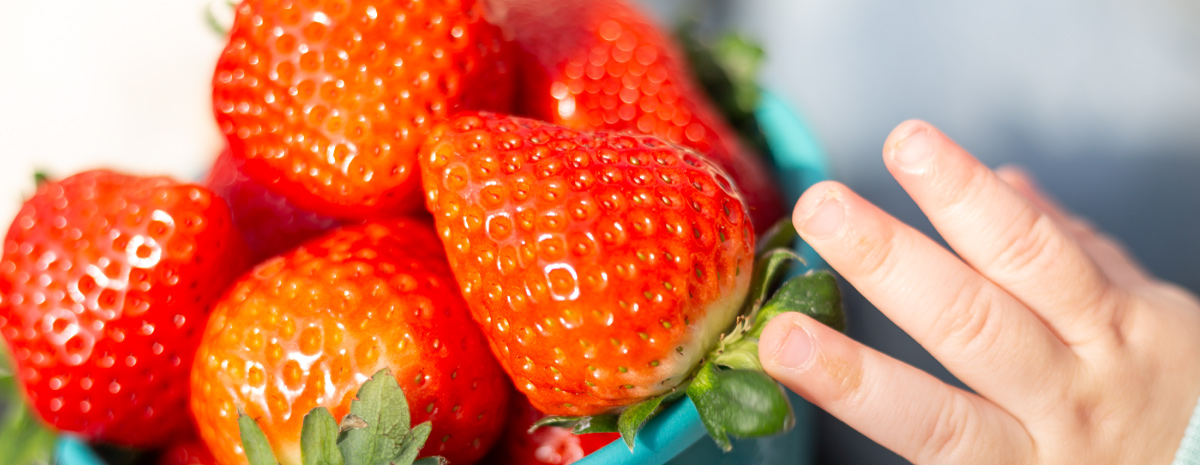
Strawberry picking offers plenty of photogenic moments. The contrast between red berries and green leaves is beautiful, and greenhouses filled with natural light are perfect for taking bright, clear photos.
Try shots holding your freshly picked berries, candid smiles as you take a bite, or scenes of families and couples harvesting together. You’ll come away with lots of social-media-worthy photos.
After Your Strawberry Picking Session
Make the Most of On-Site Cafés
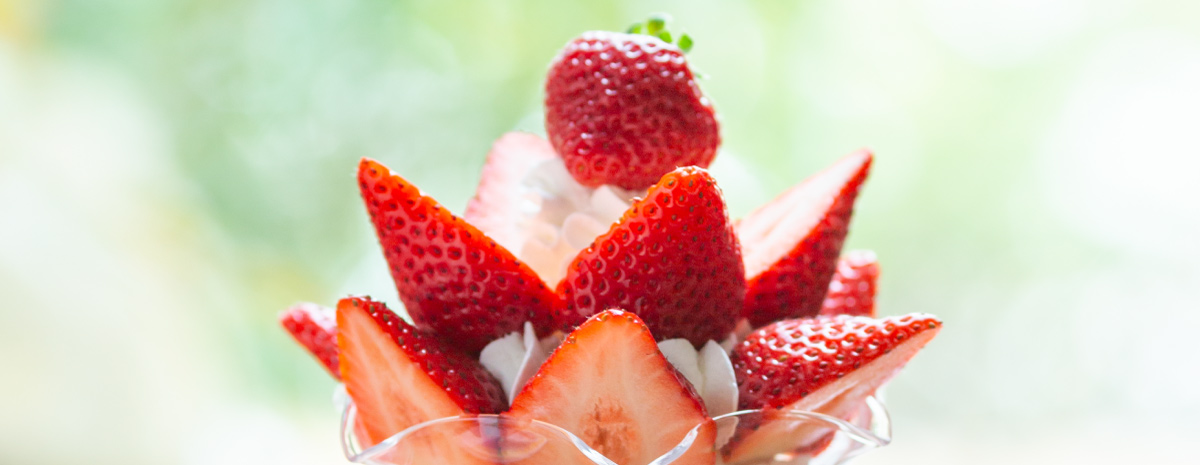
Many strawberry farms have cafés or rest areas on site. Even if you feel full from picking, parfaits and sweets made with freshly harvested fruit are a joy of their own.
Farm-run cafés often serve seasonal menus using fruit picked that very morning—think strawberry parfaits, smoothies, and fruit sandwiches. Freshness makes these treats especially memorable.
Buying Souvenirs at the Farm Stand
At farm stands, you can buy freshly picked strawberries by the pack. In addition to standard packs, many places sell misshapen “imperfect” berries at a discount—perfect for eating at home, with no difference in taste.
Processed items like strawberry jam, dried fruit, and baked goods also make popular souvenirs. They keep longer and travel well, making them ideal for visitors from farther away.
How to Book—and When
Best Timing to Reserve
The earlier you book, the better. The winter season (December–February) is especially popular, and weekend/holiday slots can fill up right after reservations open. Weekdays are generally easier to book and offer a more relaxed experience.
Morning slots are popular because more pristine berries remain, but afternoon times tend to be easier to reserve. If your schedule is flexible, consider an afternoon visit.
How to Reserve
Reservations are typically available online or by phone. Online booking is convenient—you can reserve 24/7 and check availability in real time, and you’ll receive a confirmation email to streamline check-in on the day.
Phone reservations are limited to business hours, but speaking directly with staff makes it easier to ask detailed questions or share special requests. If you’ll be using a wheelchair, bringing a pet, or booking for a group, calling ahead is recommended.
Access and What to Bring
Getting There
Most strawberry farms in Fukuoka are in suburban areas, so driving is convenient. Nearly all facilities offer free parking. If using public transportation, you’ll often need to take a taxi from the nearest station.
Handy Items to Pack
Hand towels and wet wipes are essential, as strawberry juice can get sticky—bring several. Plastic bags are useful for used towels and trash.
Bring drinks, too. Since strawberries are high in sugar, water or tea will refresh your palate and make the next berry taste even better.
Wear comfortable, casual clothes you don’t mind getting a little dirty. White bottoms show stains easily, so it’s better to avoid them. Choose comfortable shoes like sneakers for walking in the greenhouse.
Frequently Asked Questions
Can we still enjoy it on rainy days?
Yes. Greenhouse-grown strawberries can be enjoyed rain or shine. You won’t get wet under the roof, but you might on the walk from the parking area to the greenhouse, so bring an umbrella or rain gear. Since the ground can get damp, wear shoes you don’t mind getting dirty.
Can we take strawberries home?
You can purchase strawberries to take home by weight. *Prices vary by season (approx. ¥300–¥450 per 100 g).*
How many strawberries can children eat?
It varies by age and individual, but as a rough guide: about 10–15 for toddlers and 15–25 for elementary school children. Don’t push them—let kids enjoy at their own pace.
Will our clothes get dirty?
With elevated cultivation, soil stains are rarely an issue, but strawberry juice can get on clothing. Darker colors make stains less noticeable and keep you worry-free if something does spill.
Is it accessible for wheelchair users?
Yes, at barrier-free farms. Elevated cultivation allows picking while seated, reducing physical strain. For peace of mind, check the facility’s accessibility details in advance.
Enjoy Strawberry Picking in Fukuoka
Fukuoka is one of Japan’s premier strawberry regions, with many farms offering strawberry picking from winter through spring. Freshly harvested, fully ripe strawberries have a sweetness and aroma that supermarket fruit can’t match.
Success comes down to choosing the right facility and booking early. Select based on your goals—varieties available, accessibility, on-site cafés, and more.
From Fruitelier in Kurume City to many other charming farms across the prefecture, Fukuoka has plenty of places to enjoy. Use this guide to plan a delightful strawberry-picking trip in Fukuoka.
Reserve Strawberry Picking at Fruitelier
Enjoy with Peace of Mind Through Complete Reservation System
About Reservations
Capacity Varies Based on Strawberry Growth Conditions
- Strawberry Growth Stage: Daily capacity is determined by berry conditions
- Group Tour Coordination: Desired dates/times may be unavailable due to group bookings
- First-Come Basis: Popular dates tend to fill up quickly
Fruitelier Features
- Compare 2-3 Varieties: Benihoppe, Koiminori & other varieties
- 50-Minute All-You-Can-Eat: Enjoy at a relaxed pace
- Fully Barrier-Free: Wheelchair and stroller accessible
- Pets Welcome: Dedicated greenhouse for your beloved dogs
- On-site Café: Relax after strawberry picking
Reassuring Reservation & Cancellation System
No Problem if Plans Change
- Until 5 PM the day before: Easy web cancellation (free)
- Flexible Response: Peace of mind for sudden schedule changes

